I’ve always been good at presenting material. I competed in public speaking contests when I was young, studied theater for my bachelor’s degree, and even learned graphic design so I could make attractive PowerPoint slides. My attitude was that there is nothing wrong with lectures, so long as they are good lectures.
Yeah. I was wrong.
Not because lectures are bad, but because learning doesn’t happen simply because information is delivered clearly. Now I say there is nothing wrong with lectures, so long as they’re short.
Active learning begins where lectures end. Lectures introduce students to new concepts. Active learning requires students to apply those concepts to make them usable in real-world settings. This matters because learning is not a passive process. Understanding deepens when students retrieve information, talk it through, analyze it, test it, apply it, and reflect on it. Without these steps, even well-presented material fades quickly.
Active Learning Strategies
While the term active learning feels modern, the idea itself is not. Educators have questioned lecture-heavy instruction for well over a century. As adult learning theory developed in the mid-twentieth century, active learning strategies gained momentum. Education theorists recognized adults as self-directed learners who bring prior knowledge and experience to the classroom. Adults need learning to feel relevant to their goals, and learn best when they can apply new information in practical ways.
Active learning doesn’t require abandoning lectures or redesigning an entire course. In most adult classrooms, it simply means breaking long lectures into shorter segments and intentionally building in opportunities for students to work with new ideas.
There are numerous ideas for active learning strategies in Priming: The Education Game Changer (1 NCBTMB-Approved CE Hour) or 40 Activities to Anchor Student Learning (2 NCBTMB-Approved CE Hours). If you want one thing to try tomorrow, check out the activities I’ve shared in blog posts I’ve linked in each section.
Discussions
Structured discussion invites students to articulate ideas out loud, test their understanding, and hear alternative perspectives. When discussions are guided by clear prompts or questions, they move beyond opinion-sharing into analysis and opportunities to make meaning. For adult learners, discussion strengthens comprehension by forcing retrieval, clarifying misconceptions, and helping students integrate new information with prior experience. Check out:
Peer learning occurs when students explain concepts to one another, collaborate on tasks, or problem-solve together. Teaching and articulating ideas to peers requires deeper processing than passive listening and reveals gaps in understanding. This approach builds confidence, reinforces accountability, and mirrors the collaborative thinking adults use in professional environments. Check out:
Learning games use structured play to reinforce terminology, concepts, and decision-making. When well-designed, games increase attention, motivation, and emotional engagement without sacrificing rigor. They support rapid retrieval practice, reduce performance anxiety, and make repetition feel purposeful rather than tedious. This is an important benefit for adult learners reviewing complex material. Check Out:
Guided reflection asks students to pause and intentionally think about what they’ve learned, how they understand it, and how it applies to their goals or experiences. Reflection strengthens learning by consolidating memory, supporting metacognition, and helping students recognize growth. For adults, reflective activities validate lived experience and help translate classroom learning into professional insight. Check Out
Scenarios present short, realistic situations that require learners to interpret information and make decisions. They are especially effective for teaching ethics, communication, and clinical reasoning because they mirror real-world ambiguity. Working through scenarios helps students practice judgment, apply concepts in context, and prepare for situations they are likely to encounter outside the classroom.
Case studies are extended, detailed scenarios that require analysis over time rather than quick responses. They encourage critical thinking, synthesis of multiple concepts, and evidence-based reasoning. For adult learners, case studies strengthen problem-solving skills and help bridge the gap between theory and professional practice. Check out:
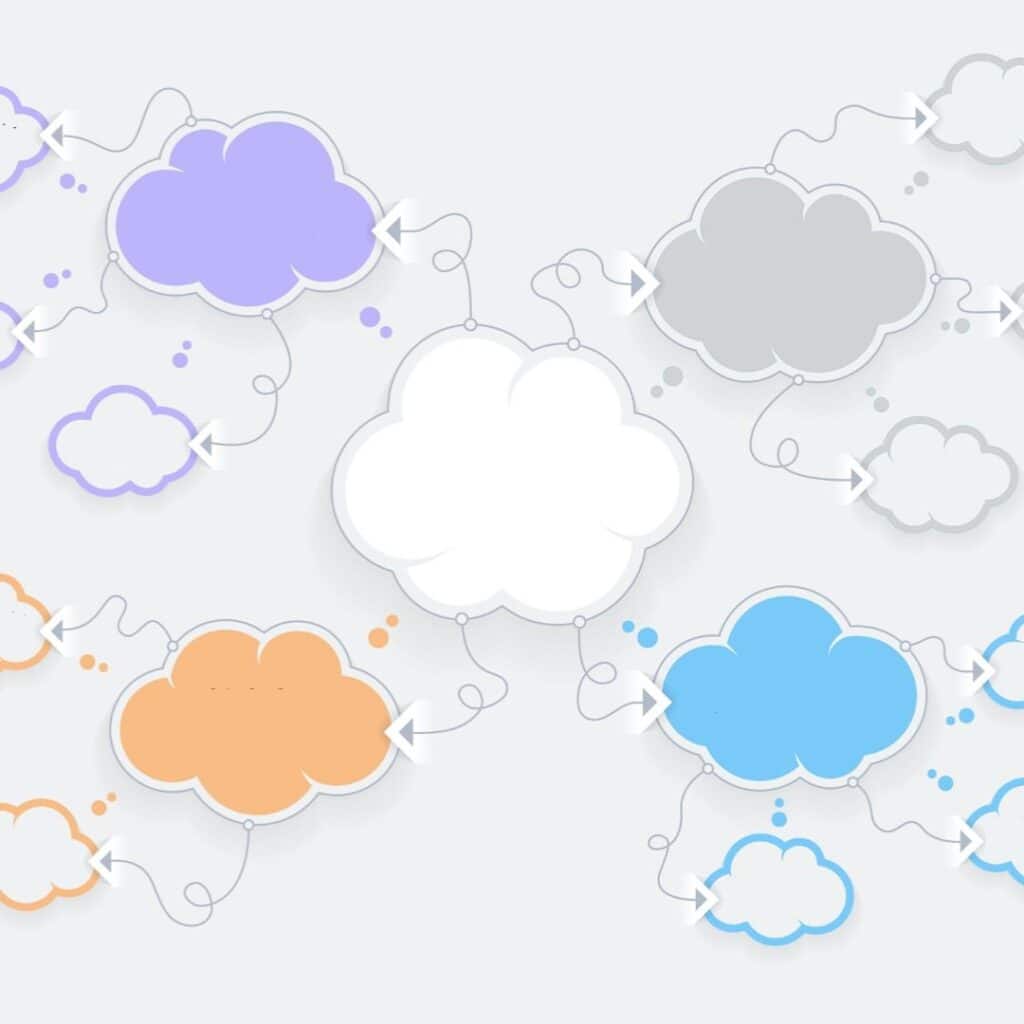
Making connections activities ask learners to link new information to prior knowledge, related concepts, or real-life experiences. Strategies like mind-mapping or comparison tasks help organize information into meaningful frameworks. This process deepens understanding, strengthens memory, and supports learning transfer, which is especially important for adults managing large amounts of complex material. In the Power of Comparison in Massage Education, I show how comparison questions show up on the MBLEx. Check out these resources:
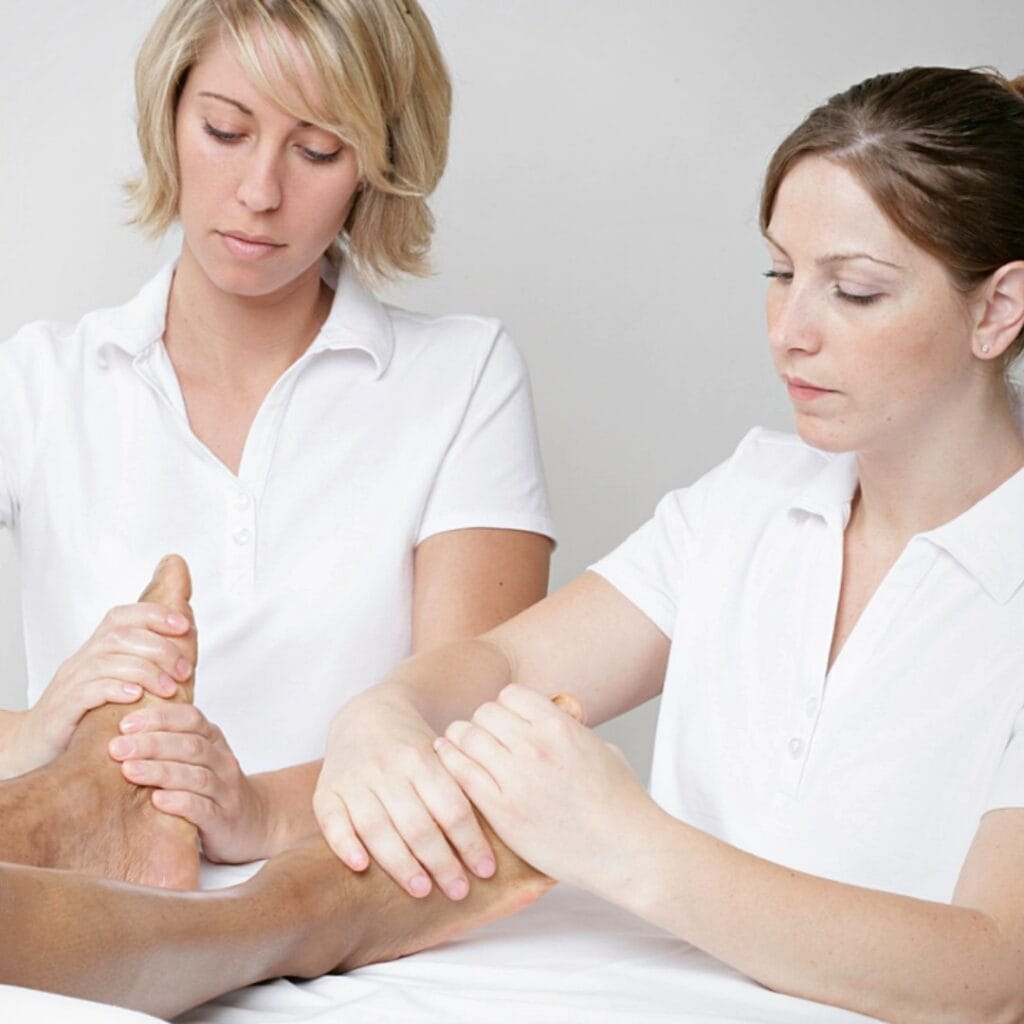
Hands-on activities engage the body as well as the mind, making them essential in massage education. Practicing techniques, movement patterns, or tactile skills allows students to integrate cognitive understanding with somatic experience. These activities support motor learning, improve skill retention, and help students develop confidence through direct application and feedback. Check out:
Active learning doesn’t require dramatic change or perfect execution. It begins with small, intentional choices like using a discussion instead of another slide, a scenario instead of a summary, or a moment of reflection before moving on.
When students are given opportunities to work with the concepts they learn in short lectures, knowledge becomes deeper, more durable, and more meaningful. Lectures still have a place. But learning happens when students do something with what they’ve heard.